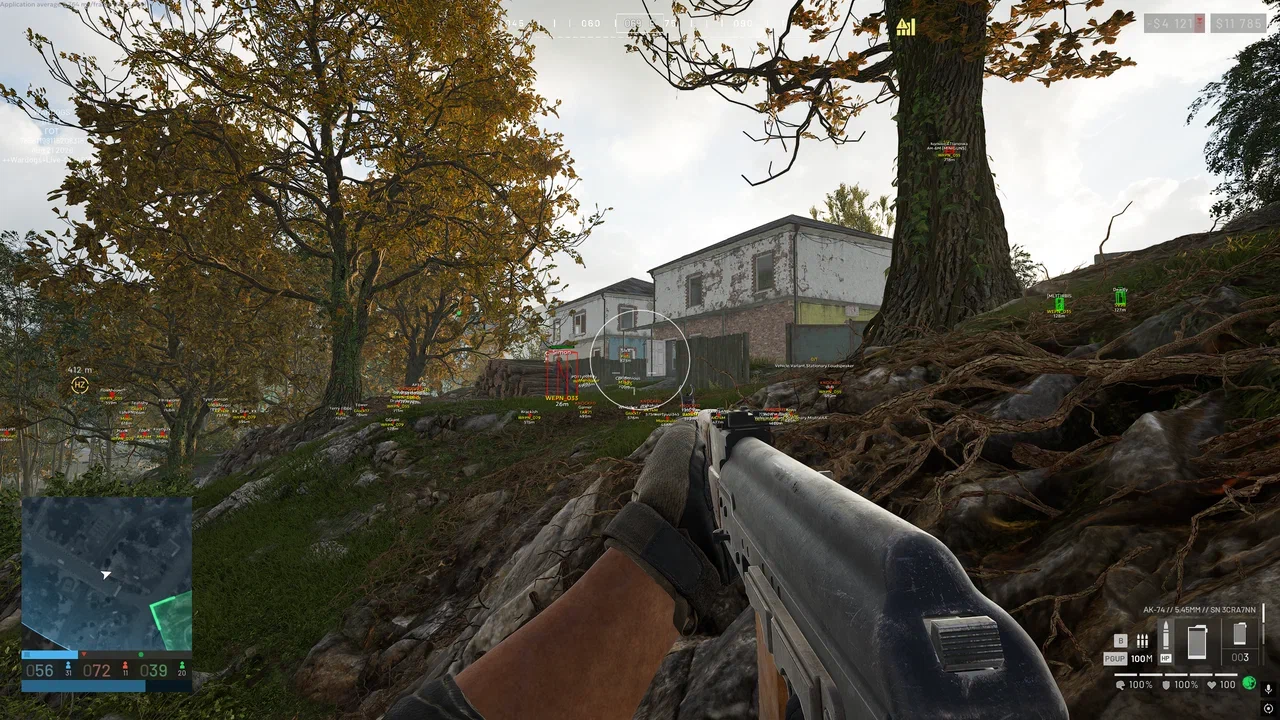
ESP vs radar in WARDOGS: which display do you need?
Compare on-screen player information with a radar view, understand display options and work out what to check in a WARDOGS product listing.
Start with the information you want to see
ESP and radar can describe two different ways of presenting player information. ESP places labels or markers in the main view. Radar groups positional information in a separate, compact display. Neither label tells you everything about what a particular product supports.
Before comparing menus, write down the information you actually want: player distance, health, direction, squad indicators or a simple position marker. Then check whether the listing supports it and how that information is displayed.
On-screen ESP: compare individual indicators
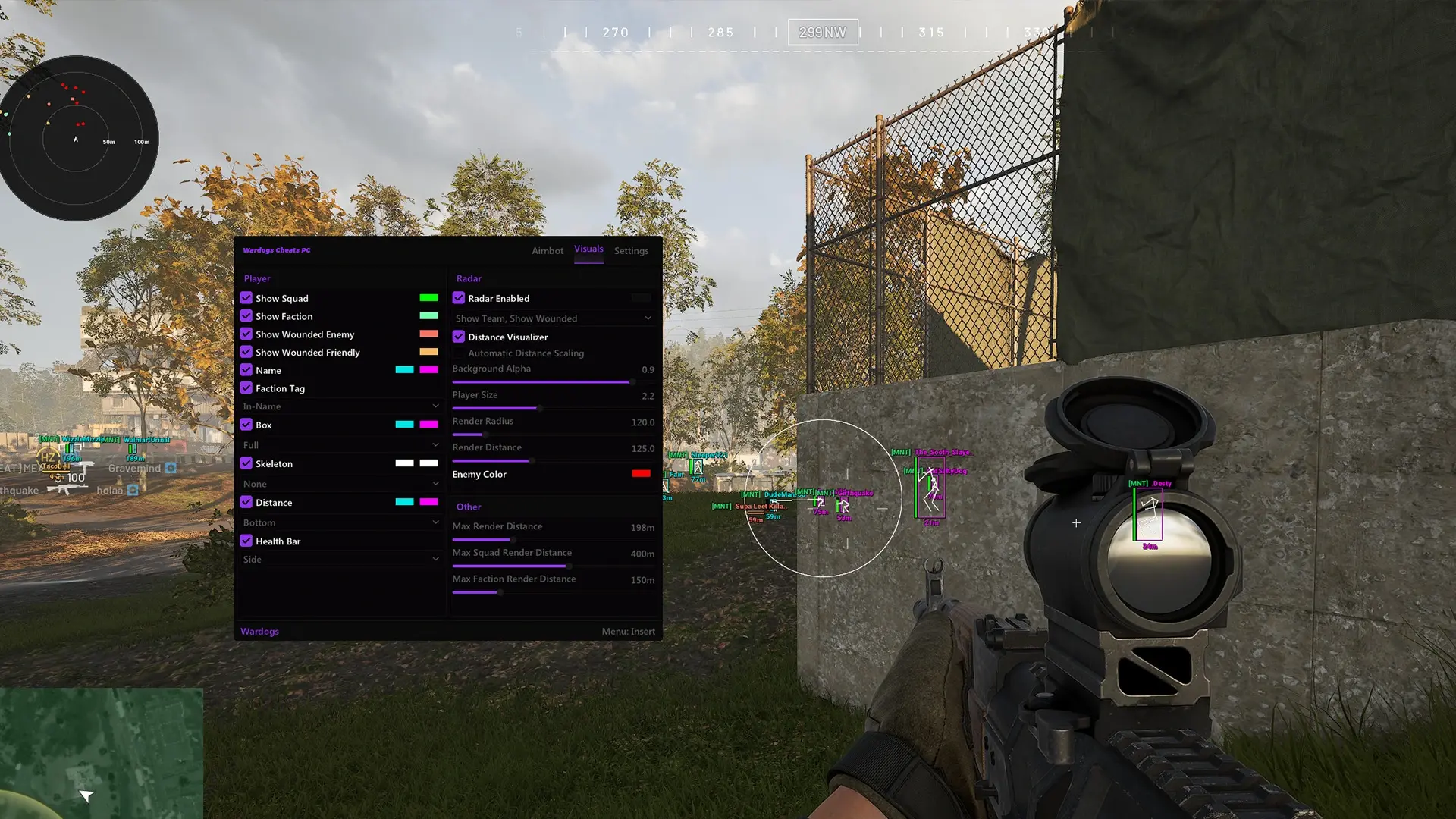
A box shows a player's position in the main view. A skeleton adds a representation of the player's pose. Names, health and distance are separate indicators that may have their own toggles. When a listing says player ESP, check which of these are included rather than assuming the full set is available.
Consider readability as well as the number of indicators. Distance limits, adjustable text size and separate color settings can help distinguish information. A screenshot of a crowded menu tells you less about everyday readability than a clear example of the actual display.
Radar: check the frame of reference
For a radar view, check how position and orientation are represented. Look for an explanation of the radius, distance scale and marker filters. If a demonstration does not make it clear whether the view rotates or which direction is represented, ask before treating that behavior as a feature.
Also check what the markers represent. A radar that lists players should not be assumed to display vehicles or loot. Teammate filters, wounded-player indicators and distance labels are individual features, not automatic properties of every radar.
Can you use both?
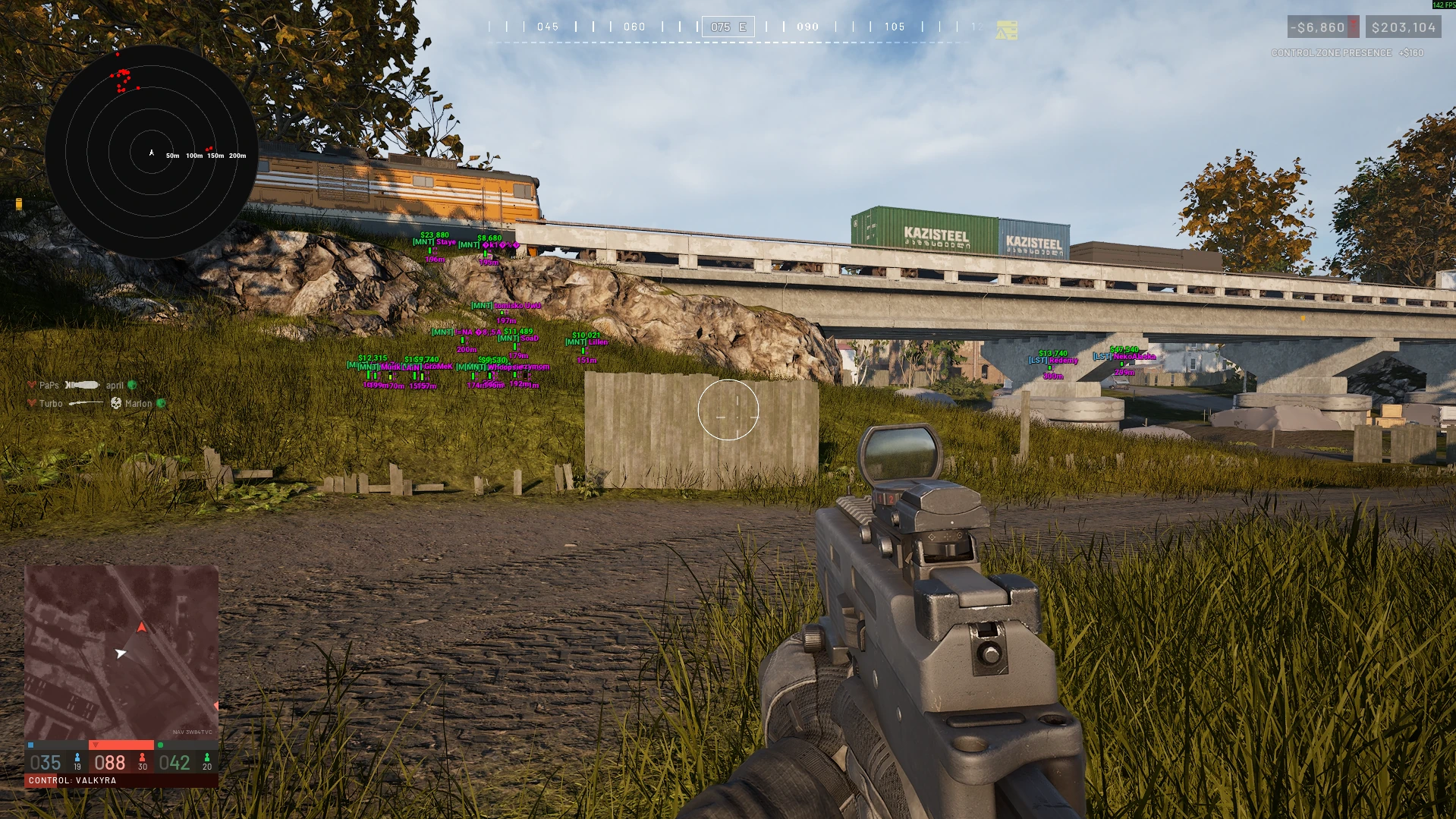
Some products offer both ESP and radar, but you should check whether they can be enabled independently. A useful comparison asks what happens when unwanted information is turned off, not only what can be switched on.
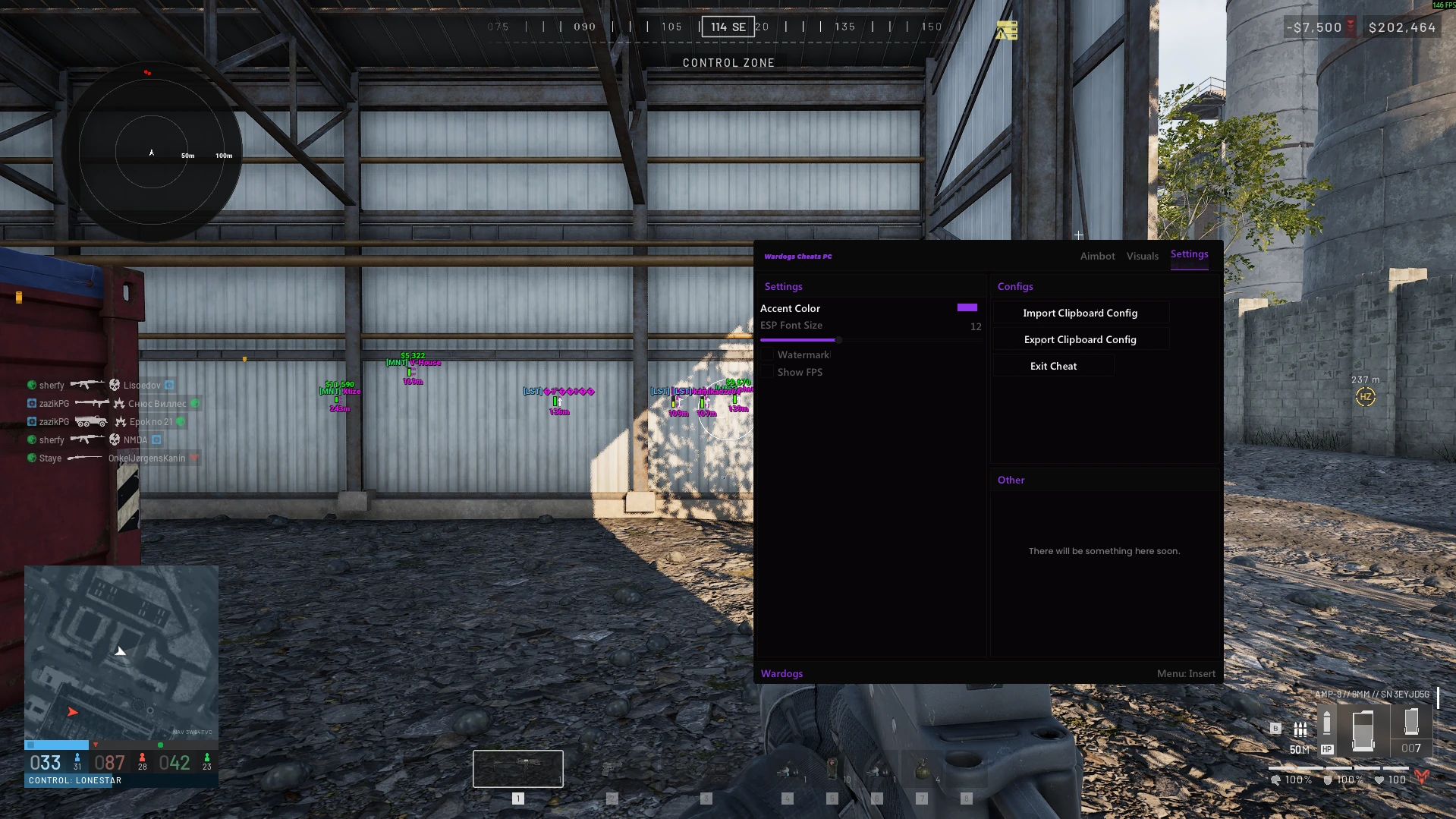
If you want different layouts for different sessions, look for configuration saving and loading. Do not assume that a saved configuration is portable between providers or remains compatible with every software update.
A short checklist for the product page
Check the supported entities, the available filters, the distance controls and the appearance settings. Look for a demonstration from the product you are considering. Confirm PC requirements and current status separately: display options do not tell you whether the software is currently compatible with your setup.
The WARDOGS product overview explains the other buying considerations and shows the current featured products. Use the individual listing for its exact feature set and license choices.
Choose your next step
Explore the available WARDOGS cheats or open Hyper for its full specification and current license options.